So how does your nonprofit begin to embrace in-mem? Here are 7 right-now ways:
1. Consider a giving anniversary – and ask if they want to be reminded.
If someone makes a gift in memory, in the thank-you note you could easily add:
Wonderful people like you who give in
memory of someone special often appreciate knowing when a year has passed so they can make an annual remembrance gift. Would you like us to send you a reminder every year?
Let us know the month that’s best for you, and we’ll send a note. Thank you so much again for such a lasting tribute.
Then when the time arrives, send a lovely card along with the reminder. If someone had reminded me to honor my mom every year in a heartfelt way, I would
have. How about you?
2. Ask them to tell you about the person they loved.
I talk all the time about having a two-way conversation with your supporters. In-memory giving is no exception.
It could be as simple as:
We’d love to know about [Name] – is there a story or a memory you’d like to carry forward?
To quote that amazing Legacy
Foresight research cited at the start of this newsletter, remember: in-memory giving provides “focus and a therapeutic outlet for grief.” So choose your words compassionately and respectfully. There's a lot at stake.
3. Deepen the meaning in ways little and large.
If they share a story (see #2 above), create a memory card – it could even connect to a photo of the good work that the in-memory gift made possible.
Drip-feed mentions about
in-memory giving in your newsletter via lovely stories and callouts. Tuck a remembrance card into your in-mem thank-yous. None of these require a massive budget. But they hold outsized meaning.
4. Thank like you hold their heart in your hands. You do.
It’s true that not every memorial donation is made for someone’s beloved person or cherished companion animal. But lots of them are. So remember, it's deeper than receipts. You want language that sees their
act of remembrance and love, and honors that – and all without typos. (Again, I dig deeper into this in Thankology and free on In Lieu of Flowers on SOFII, it’s there when you’re ready for it.)
5. Go look at your in-memory giving page right now.
Seriously, open it in another tab. I’ll wait.
Now ask:
Is it warm?
Is it easy?
Is it emotionally compelling?
Does it even exist?
Does it feel like a place that someone in grief, or a person
who is giving for someone in grief, would want to land?
Do you help them add language to an obituary for in lieu of flowers notice?
Do you provide the name of a real person, and a phone number and email, they can contact with questions?
That page may be the first place a bereaved person or acquaintance encounters your organization. And many will be at their most vulnerable moment. You want it to feel like a guiding hand of comfort, not a hard
transaction. (Want to see a beautiful example? Visit Best Friends Animal Society's pet memorial donations page.)
6. Consider establishing a remembrance tradition.
A book of names. An annual service. A garden.
Something that says: we hold these lives in our hearts, too. And we'll remember them
always.
You already saw what happened when one organization did just that – 88 supporters raised their hands so that cherished memories could find their way home. Because this charity has both a remembrance book and an annual service, they have a built-in reason to invite people to join them each year... building trust and connection, too.
7. Add that in-memory tickbox.
Go ahead and try it – online, in your direct mail packs. Offer the option
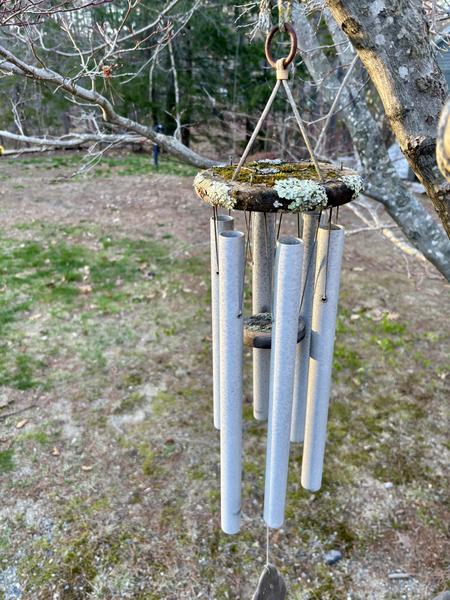
to make a donation in memory of someone. But remember to hear those wind chimes first: make sure you can thank and consistently honor before you open that in memory door.
Then do let me know what unfolds... I’d love to hear.
Thanks again for hanging in there through my post-surgery silence. And thank you for being a Loyalty Letter subscriber. Ask questions anytime... I'm here. :)
Now go forth and write with great
heart!